Most people meet Lavagna in passing. The train slows along the Tigullio coast, the sea appears on one side, the hills on the other, and the town slips by before anyone thinks to get off. Even those who do stop tend to stay near the waterfront, treating the old center as a backdrop for a slice of focaccia. That is a shame, because the borgo is small enough to see properly in a morning and old enough to keep you curious for longer.
The historic center sits back from the marina, on the landward side of the coastal road, and it is tied to one material above all: slate. Local ardesia covers the roofs, forms the doorsteps, paves the lanes and faces the main church. Once you start noticing it, the whole town reads differently — grey-black, quiet, a little severe, and very Ligurian.
Every first visit should begin here. The piazza is the natural front door of the borgo, wide enough to give you your bearings and small enough to cross in a minute. At one end stands the Torre del Borgo, the square stone tower that survives from the settlement’s medieval defences. It is not a monument you climb on a whim — it opens for events and occasional guided visits rather than daily tourism — but it does the job a good landmark should: it tells you where you are and gives you something to aim for when the lanes start to twist.
Walk the perimeter once before you go anywhere else. Look at the height of the buildings, the shutters, the way the arcades and shopfronts frame the square. Notice how the tower’s stone matches the paving under your feet. This is the moment to check the time, buy a bottle of water and decide how long you have. Ten minutes here saves you an hour of wandering later.
A short walk from the piazza brings you to the collegiate basilica of Santo Stefano, the anchor of the whole center. Its most striking feature is the façade, clad in dark slate — a surface that looks almost black in flat light and silver after rain. People reach out and touch it, which is understandable but worth resisting on the carved and painted sections.
The building is medieval in origin, with centuries of reworking layered on top, and that history shows inside: cooler air, dim light, side chapels with paintings and marble, a hush that arrives the moment the door closes behind you. Walk the nave slowly. Sit for a few minutes if a service is not in progress. Then step back outside and look at the church from across the small square in front of it — the proportions make far more sense from a distance than from the doorstep.
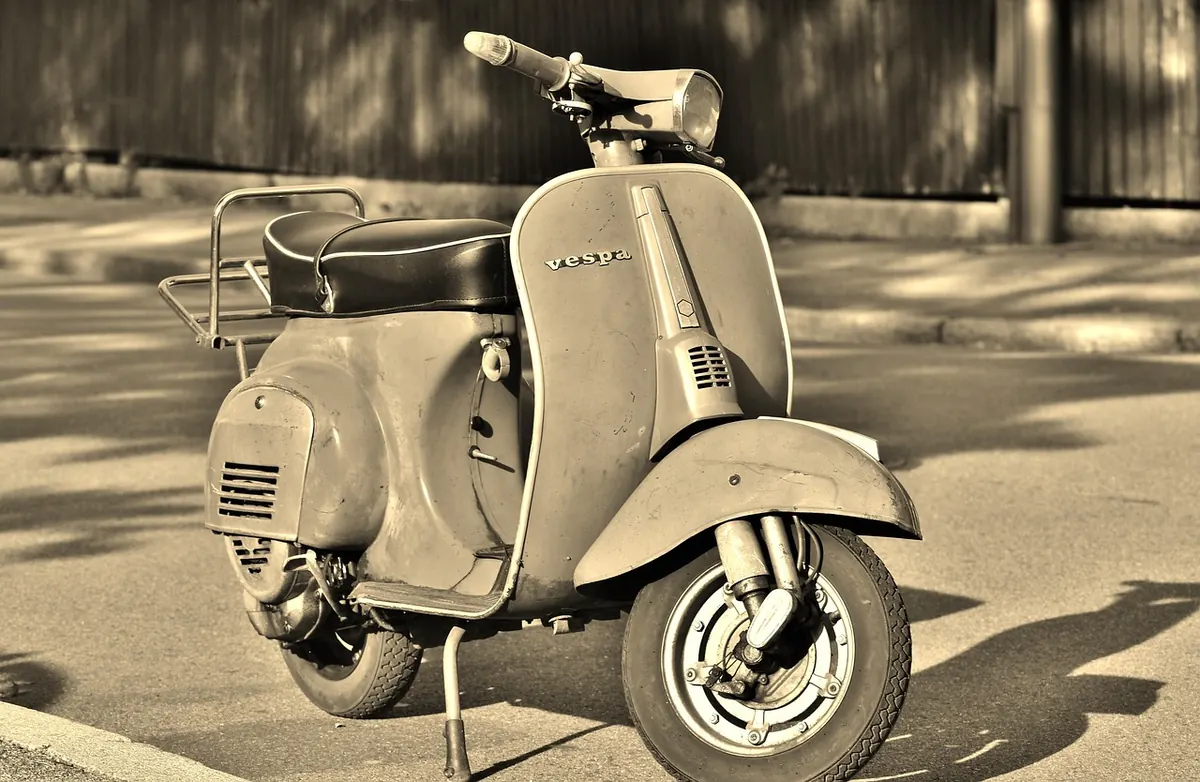
The lanes running behind and beside the basilica are the real texture of Lavagna. In Liguria these narrow streets are called carruggi, and they were built for shade, shelter and people on foot, not for cars or cameras. Expect low vaulted passages, worn slate thresholds, washing strung high above your head, a cat that refuses to move, and a sudden small opening where three lanes meet and someone has parked a scooter.
Walk them without a map for ten minutes. Turn when something looks interesting. The center is compact enough that you cannot truly get lost — keep the tower or the basilica in mind as a reference and you will always find your way back down. What you should not do is treat these lanes as a photo set. People live here. Doorways are front doors, not props, and a camera pointed into a lit kitchen window is not a charming travel moment.
If you would rather follow a plan than improvise, this one takes roughly an hour and covers everything essential.
Lavagna is a working town, not a resort that empties at dusk. A few habits will make your visit smoother and, frankly, less conspicuous.
Many shops and offices still close for a stretch around midday and reopen in the afternoon, and the hours right after lunch are the quietest of the day. If you are walking through residential lanes then, keep your voice down, take calls elsewhere, wear headphones if you are listening to something, and do not let a door slam. In summer, the same courtesy applies late at night: voices carry up between stone walls in a way that surprises visitors from quieter suburbs.
Cover shoulders and knees, remove hats, silence your phone and do not walk around or photograph during Mass. If a service is starting, leave quietly and come back later. Candles are usually lit for a small offering — put the coins in the box, not into a hand.
Say buongiorno when you enter and grazie, arrivederci when you leave. It takes two seconds and it is noticed. Standing at the counter is normal and cheaper than sitting at a table in most places; ask if you are unsure. In small food shops, wait your turn rather than leaning over someone’s shoulder, and let a shopkeeper finish a conversation before starting yours.
If you have time, climb to the Santuario di Nostra Signora del Carmine above the town. The walk is short but steady, and the reward is the view back over the roofs, the slate and the sea. Closer to hand, the old bridge over the Entella — the Ponte della Maddalena — is a good place to end a late-afternoon walk. The quarries themselves lie outside the center and some are working sites: admire the stone in the town rather than wandering onto private ground.
Give Lavagna two hours and it will feel like a place rather than a stop. Start at the tower, end at the water, and let the lanes in between do the rest.
Photo: Ralphs_Fotos / Pixabay