The keys are in your hand, the boxes are stacked in the hallway, and somewhere between the second coffee and the third trip to the hardware shop it becomes clear that the flat is yours but the life around it isn't set up yet. In a town like ours, that setup happens in a fairly predictable order. Do things in the right sequence and you'll save yourself a remarkable number of return trips to the same counter. Do them in the wrong one and you'll spend March explaining to an office why you need a document that another office won't issue until you have the first one.
Here's the order we'd suggest.
Almost every other step on this list depends on two things: proof of where you live, and a tax code. In Italy that means registering your residency at the ufficio anagrafe in the Comune and, if you don't already have one, obtaining a codice fiscale. Without them you can't put a utility contract in your name, register with a doctor, or file the waste declaration.
Book the anagrafe appointment as early as you can — waiting times shift with the season and with how complete your file is. Bring identification, the lease or the deed, and any documents the office tells you to bring when you ask. Ask specifically: "What is required in my situation?" Moving from another Italian town, returning after years abroad and arriving from outside the EU are three different procedures, and a five-minute question at the counter now can save a month of email later.
One tip that sounds obvious and gets forgotten anyway: keep a single folder, paper and digital, for every form you submit. Note the date, the clerk's name if you have it, and what you were told. Small offices run on paperwork, and being the person who can produce the right sheet at the right moment makes everything faster.
Landlords often leave electricity and gas accounts open in their own name, which is convenient for about a week and confusing for a year. Clarify early whether you are taking over an existing supply or activating a new one, and get the handover in writing.
Then choose your supplier. The market is open and offers vary, so compare two or three and ask a neighbour who they use and whether billing has been reliable. Reliability matters more than the headline rate. Water is usually managed by a local utility with a single provider, so that call is more about registering the account than shopping around.
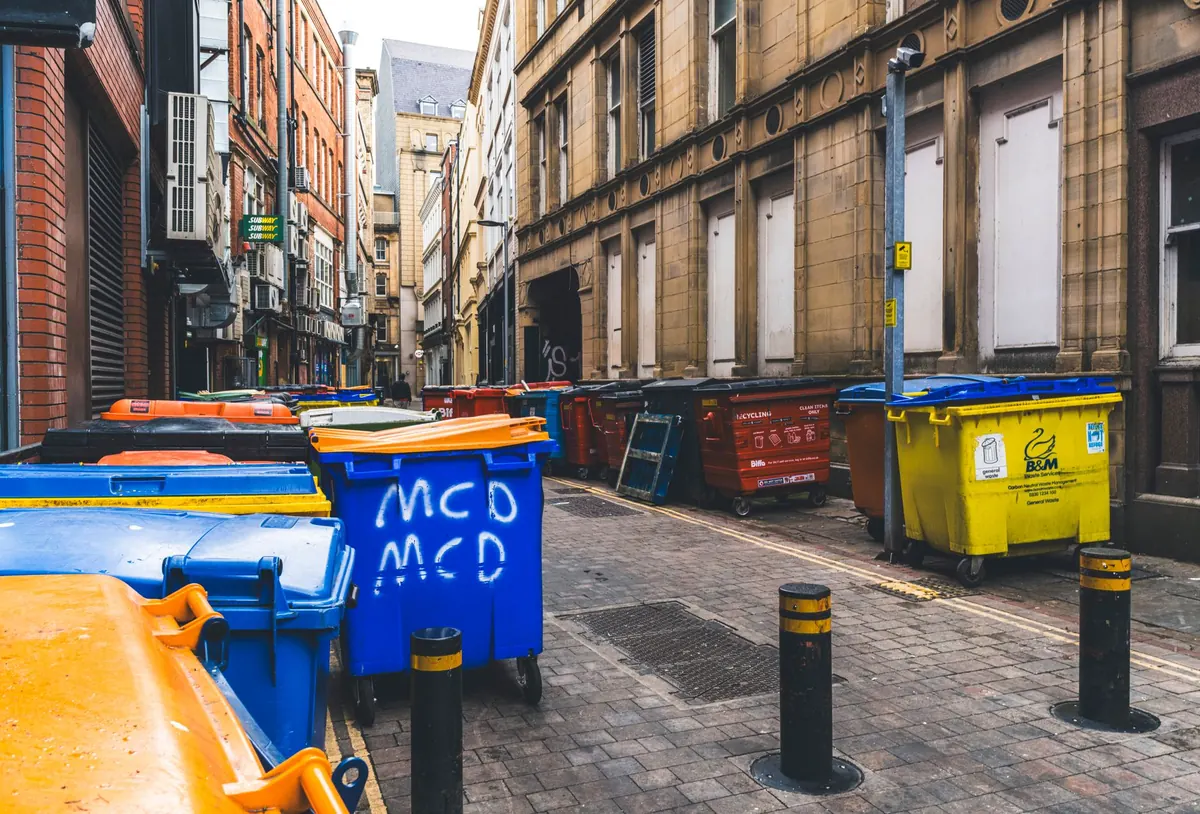
This is the step newcomers most often miss, partly because nothing about it feels urgent until the first missed collection. Smaller towns frequently use door-to-door collection with a printed calendar and specific bins, and the rules are stricter than they look from the outside.
Ask at the Comune or the waste office for the calendar, the bin sizes, and the collection days for your street — they can differ from the next street over. Then find out whether there is a separate registration for the waste tax (TARI). In many places it is not automatic even after residency is recorded, and there is usually a deadline for filing. The deadline is local, so ask rather than assume.
Common first-month mistakes, in no particular order: putting the wrong bin out on the wrong evening, not rinsing containers, missing the tax declaration entirely, and forgetting to return the bins when you eventually move out. Note the collection days on your phone calendar for the first month and you'll stop thinking about it after that.
Once your residency is recorded, register with the local health authority and choose a family doctor from the available list. Bring proof of residency, your tax code and any health card you already hold. If your first choice has no space, ask the office for the nearest practice that does — being registered somewhere is what matters, and switching later is usually possible.
This registration is the gateway to prescriptions, referrals, vaccinations and, for families, the paediatrician. It's also worth finding out now which pharmacy is closest and how the out-of-hours rota works, so that the first Sunday evening fever isn't the moment you learn it. The European emergency number is 112.
A sensible note: this is general guidance, not medical or legal advice. For anything involving coverage, exemptions, ongoing treatment or documents from another country, speak to the health authority office or a qualified professional who can look at your specific case.
You'll need a local bank or post office account for direct debits, a phone number on an Italian contract, and a clear idea of where to pay a bill in person — the post office and many tobacconists handle payments, which is useful in the weeks before your account is fully active. Collect your post from the building's boxes or arrange a mailbox if you're in a house.
None of this is dramatic, but each item removes a small daily friction. The goal of the first month isn't a perfectly organised life; it's reaching the point where a delivery, a bill or a prescription doesn't require a phone call in a language you're still assembling.
Set aside one morning to learn the rhythms of the town rather than its offices. Find out which day the market runs and where the stalls set up. Locate the library, the pharmacy, the recycling point and the noticeboard outside the Comune, which is still where plenty of practical information appears first. Sign up for any municipal alert service for roadworks, water interruptions or collection changes.
And then do the thing that no checklist can replace: introduce yourself. The neighbour who tells you which day the bins go out, which plumber answers his phone, and where to park when the square is closed is worth more than any leaflet. Ask one small question a week. In a borgo, that's how the town stops being a location and starts being where you live.
If a deadline catches you out, don't panic and don't guess — call the office, explain the situation, and ask what to do next. Offices deal with late arrivals every week. What they rarely forgive is silence. Keep notes, keep receipts, and by the end of the month the paperwork will be behind you and the town in front of you.
Photo: vikvarga / Pixabay